Fire is one of the most important discoveries in human history. Long before cities, agriculture, writing and modern technology, early humans learned to use one of nature’s most powerful forces. Fire provided warmth, light and protection, but its greatest importance was its ability to transform food and materials.
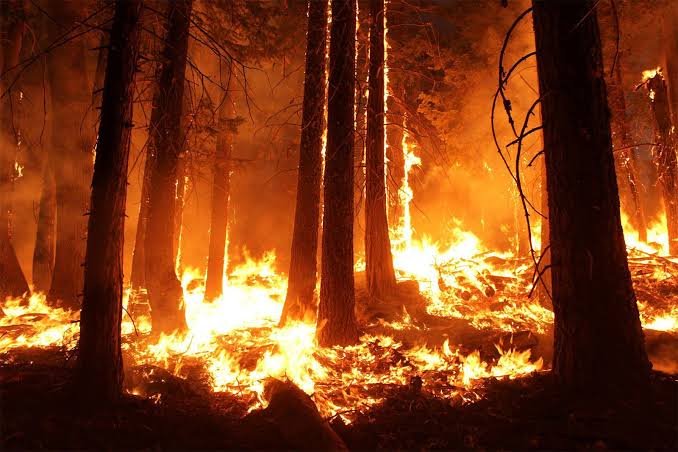
Unlike inventions such as the wheel or the printing press, fire was not created by a single person. Humans first encountered natural fire through lightning strikes, volcanic eruptions and naturally occurring wildfires. Over thousands of years, however, they learned not only to preserve natural flames but eventually to produce and control fire themselves.
Early Humans and Natural Fire
The earliest relationship between humans and fire probably began with observing naturally occurring flames. Wildfires caused by lightning could destroy vegetation and threaten animals, but they also left behind cooked food and warm areas.
Early humans gradually discovered that fire could be useful rather than simply dangerous. They learned to collect burning branches and keep flames alive using dry wood and other materials.
Controlling fire was a major challenge. Without modern matches, lighters or electricity, maintaining a flame required skill and constant attention. Communities had to learn which materials burned easily and how to protect fire from wind and rain.
The First Evidence of Controlled Fire
Archaeological evidence suggests that early humans were using fire hundreds of thousands of years ago, although exactly when humans first learned to deliberately create it remains debated.
Sites containing burned bones, charcoal, ash and heated stones provide evidence of ancient fire use. Some of the oldest evidence is associated with early human settlements in Africa, Asia and Europe.
Scientists believe that different human groups may have learned to control fire at different times. The ability was probably developed gradually rather than through a single breakthrough.
Fire Changed the Human Diet
One of fire’s greatest contributions was cooking.
Cooking made many foods easier to chew and digest. Heat could soften meat, roots and other foods while killing many harmful organisms. It also allowed humans to make greater use of foods that were difficult or unsafe to eat raw.
Cooked food provided a more reliable source of energy and helped early communities expand their diets. The importance of cooking was so significant that some scientists have argued that regular access to cooked food played an important role in human evolution.
Fire Provided Warmth and Protection
Fire also allowed humans to survive in colder environments.
With a controlled flame, early communities could stay warm during cold nights and harsh seasons. This made it possible for human populations to occupy regions that would otherwise have been difficult to inhabit.
Fire also provided protection from some wild animals. A bright flame, smoke and the presence of groups around a fire could discourage certain predators from approaching camps.
At night, fire provided something else that was extremely valuable: light. Humans could remain active after sunset, prepare food, make tools and interact with one another around the flames.
Fire and Human Social Life
The campfire may also have played an important role in the development of human social behaviour.
Gathering around a fire created a shared space where people could communicate, cooperate and teach younger members of their communities. Stories, knowledge and traditions could be passed from one generation to another.
Although it is impossible to know exactly what early humans discussed around their fires, controlled fire clearly created opportunities for longer periods of social interaction.
Fire Became a Tool for Technology
As humans became better at controlling fire, they discovered that it could transform materials.
Fire could harden wooden tools, produce charcoal and alter stones. Eventually, humans learned to use extremely high temperatures to work metals.
The development of pottery and later metallurgy represented major technological advances. Copper, bronze and iron could be shaped into tools and weapons, fundamentally changing agriculture, construction and warfare.
In this sense, the mastery of fire became the foundation for many later technologies.
From Campfires to Civilization
The importance of fire continued to grow as human societies became more complex. Ancient civilizations used it for cooking, pottery, brick production, metalworking and other industries.
Thousands of years later, humans learned to harness heat on an even larger scale. Furnaces, steam engines and industrial machines transformed fire from a source of warmth into a major force of economic and technological development.
The Industrial Revolution demonstrated just how powerful controlled energy could become. Coal-fired steam engines powered factories, ships and trains, helping create the modern industrial world.
A Discovery That Changed Humanity
The discovery and control of fire was not a single event, but a long process that developed over countless generations. Early humans first learned to use naturally occurring flames before eventually discovering ways to maintain and produce fire themselves.
Its impact was extraordinary. Fire helped humans cook food, survive cold environments, protect themselves, socialize, manufacture tools and eventually develop metallurgy and industry.
Few discoveries have had such a profound influence on human civilization. From a small flame around an ancient camp to the enormous furnaces that powered modern industry, humanity’s relationship with fire has helped shape the world we live in today.
Fire was more than a source of heat and light. It was one of the first great forces that humans learned to control, and controlling it changed the course of human history.
The Historabase Editorial Team is dedicated to exploring and sharing the stories that have shaped Africa and the wider world. Our work covers African history, ancient civilizations, empires, historical figures, wars, cultures, political movements, and important events from the past.
We aim to present history in a clear, engaging, and accessible way, combining historical records with careful research to help readers better understand the people, events, and civilizations that shaped our world.