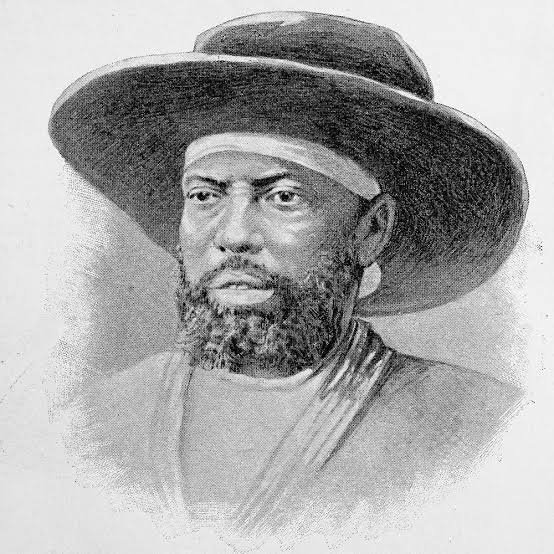
Emperor Menelik II remains one of the most important figures in African history. As ruler of Ethiopia from 1889 to 1913, he expanded and modernized the Ethiopian Empire while defending its independence during the era of European colonial expansion. His greatest achievement came in 1896, when Ethiopian forces defeated Italy at the Battle of Adwa, one of the most significant African victories against a European colonial power.
Menelik II was born in 1844 as Sahle Miriam, the son of Haile Melekot, ruler of Shewa, a powerful region in central Ethiopia. He eventually became King of Shewa before claiming the Ethiopian imperial throne in 1889.
When Menelik became emperor, European powers were competing aggressively for territory in Africa. Britain, France, Italy, Germany and other European nations were establishing colonies across the continent. Ethiopia, however, remained one of the few African states capable of resisting European conquest.
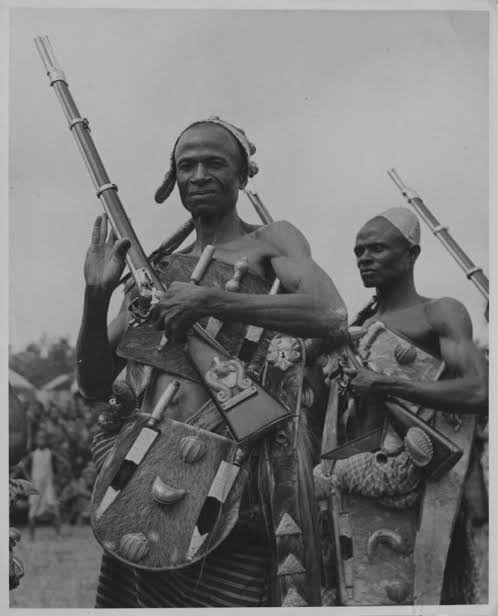
Menelik understood the danger. Rather than relying solely on traditional military strength, he sought modern weapons and technology. He imported firearms from European countries and worked to strengthen his administration and military.
The Dispute with Italy
Italy had established a colony in Eritrea and wanted to expand its influence into Ethiopia. In 1889, Italy and Menelik’s government signed the Treaty of Wuchale.
The treaty became the source of a major diplomatic dispute. The Italian version suggested that Ethiopia had accepted an Italian protectorate, while the Ethiopian version did not contain the same obligation.
Menelik rejected Italy’s interpretation and refused to accept foreign control over Ethiopia.
Tensions eventually turned into war.
The Battle of Adwa
On March 1, 1896, Ethiopian and Italian forces met near the town of Adwa in northern Ethiopia.
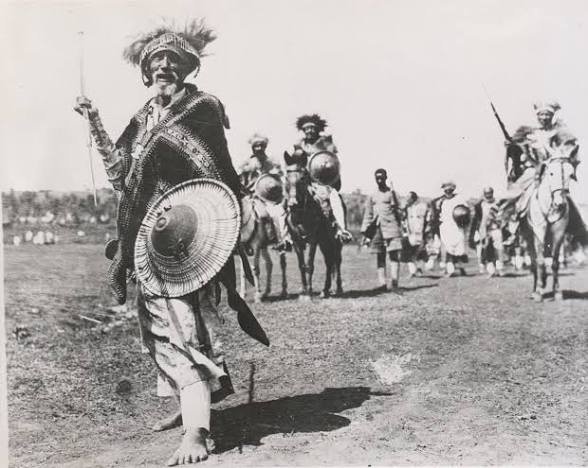
Menelik assembled a huge army made up of soldiers from different Ethiopian regions and allied forces. His wife, Empress Taytu Betul, also played an important role in the war effort and was influential in opposing Italian expansion.
The Italian army, commanded by General Oreste Baratieri, was heavily equipped but faced major disadvantages. Italian forces were unfamiliar with the terrain, suffered from poor coordination and underestimated the strength of the Ethiopian army.
Menelik’s forces, numbering tens of thousands of soldiers, surrounded and attacked the Italian army.
The battle ended in a decisive Ethiopian victory. Thousands of Italian soldiers were killed, wounded or captured, while the Ethiopian army maintained control of its territory.
Adwa became a historic turning point.
Why Adwa Was So Important
The victory at Adwa was more than a military defeat for Italy. It demonstrated that an African state could successfully resist a European colonial power during the height of the Scramble for Africa.
While much of Africa was being brought under European colonial rule, Ethiopia retained its sovereignty.
The victory also had a powerful psychological impact across Africa and the African diaspora. Adwa became a symbol of African resistance, independence and national pride.
For Italy, the defeat was a major humiliation. The Italian government was forced to recognize Ethiopian independence through a new agreement signed later in 1896.
Menelik’s Modernization of Ethiopia
Menelik II was not only a military leader. He also worked to modernize Ethiopia.
During his reign, Ethiopia expanded its diplomatic relations with foreign countries and introduced modern technologies. Roads and communication systems were developed, and modern firearms became increasingly important to the Ethiopian military.
One of the most significant developments was the construction of the railway connecting Addis Ababa with the French-controlled port of Djibouti. The railway improved transportation and helped connect Ethiopia with international trade networks.
Menelik also established Addis Ababa as the permanent capital, helping transform it into Ethiopia’s political and economic center.
However, his reign was also marked by military expansion. Ethiopian forces conquered and incorporated several territories, bringing different peoples and regions under imperial rule. This expansion remains a complex and debated part of Ethiopia’s history.
The Legacy of Menelik II
Menelik II died in 1913 after ruling Ethiopia for more than two decades. His legacy remains complicated but undeniably significant.
He is remembered by many as the emperor who defended Ethiopian independence when much of Africa was falling under European colonial rule. The victory at Adwa gave Ethiopia a unique position in modern African history and made Menelik an enduring symbol of resistance to colonialism.
The Battle of Adwa continues to be commemorated in Ethiopia, while historians regard it as one of the most important battles in African history.
Menelik II’s story is ultimately the story of a ruler who understood the changing world around him, strengthened his military, navigated European diplomacy and successfully defended his empire against an invading European power.
The victory at Adwa proved that European military superiority was not inevitable—and that African resistance could defeat a colonial army on the battlefield.
The Historabase Editorial Team is dedicated to exploring and sharing the stories that have shaped Africa and the wider world. Our work covers African history, ancient civilizations, empires, historical figures, wars, cultures, political movements, and important events from the past.
We aim to present history in a clear, engaging, and accessible way, combining historical records with careful research to help readers better understand the people, events, and civilizations that shaped our world.



One Comment