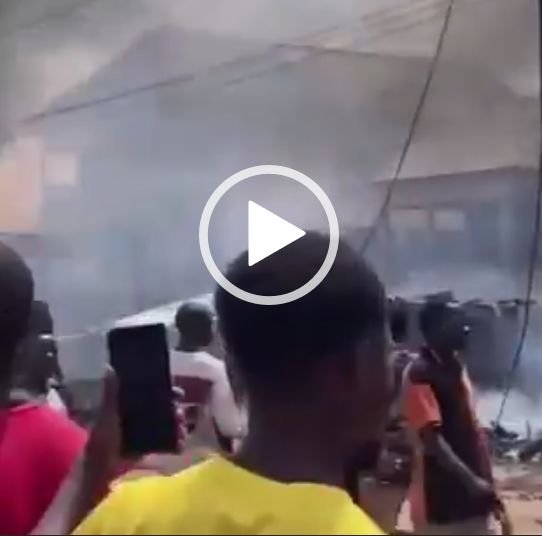
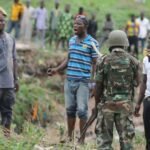
On October 15, 2026, a petrol tanker explosion in Oluku, Ovia North-East Local Government Area of Edo State, left at least 11 people with burn injuries after spilled fuel caught fire while residents were reportedly scooping petrol from a fallen tanker. The incident destroyed shops, vehicles, and goods, prompting an emergency response at the University of Benin Teaching Hospital (UBTH).
How the Oluku Petrol Tanker Incident Began
The incident occurred along the Benin–Lagos Expressway, near Oluku Market in Ovia North-East Local Government Area of Edo State, Nigeria.
According to reports, a tanker transporting Premium Motor Spirit (PMS), commonly known as petrol, fell between approximately 7:30 a.m. and 7:45 a.m. on Thursday, October 15, 2026.
The accident caused petrol to spill onto the road and flow into nearby drainage channels. As the fuel spread, residents and other people reportedly gathered around the fallen tanker to collect the spilled product.
The situation remained dangerous as people continued to approach the scene. Despite warnings about the risks associated with the leaking petrol, some residents reportedly continued scooping fuel several hours after the tanker had fallen.
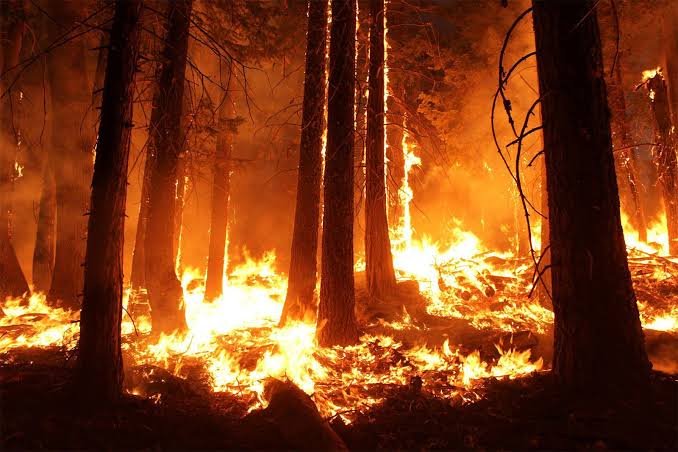
At approximately 1:00 p.m., the spilled petrol ignited, triggering an explosion and a fire that spread through the surrounding area.
How the Explosion Spread Through Oluku Market
The fire spread rapidly after the spilled petrol ignited. Reports indicated that fuel had flowed into drainage channels around which shops had been constructed at Oluku Market.
The presence of the spilled fuel near the shops contributed to the spread of the fire, damaging businesses and property in the area.
Several shops, vehicles, and goods reportedly worth millions of naira were destroyed in the inferno. A market associated with Chief Osamede Adun, popularly known as Bob Izua, was also affected.
The incident disrupted activities around the market and left traders and other affected residents facing the consequences of the destruction.
The explosion also renewed concerns about the dangers of allowing people to gather around fallen petroleum tankers, particularly when fuel is leaking and emergency personnel are attempting to secure the scene.
Eleven People Suffered Burn Injuries
At least 11 people sustained varying degrees of burn injuries in the incident and were taken to the University of Benin Teaching Hospital for medical treatment.
Reports indicated that the injured included a pregnant woman and a military officer.
At UBTH, the hospital’s Chief Medical Director, Professor Idia Ize-Iyamu, reportedly coordinated the emergency response, working with medical teams in the accident and emergency department and burns unit to stabilise critically injured patients.
The hospital’s response became an important part of the emergency operations as medical personnel attended to those affected by the explosion.
However, the final number of casualties remained uncertain in the initial reports.
While some eyewitnesses claimed to have seen four or five dead people, including a soldier, the Federal Road Safety Corps (FRSC) said it had not received confirmed information establishing the number of fatalities.
The Edo State Emergency Management Agency (EdoSEMA) also indicated that the casualty figure could only be determined after emergency operations had been completed.
Consequently, the eyewitness claims about deaths could not be treated as a confirmed official death toll.
Eyewitnesses Describe the Moments Before the Explosion
Survivors and witnesses described the confusion and danger surrounding the tanker before the fire broke out.
One witness reportedly recalled that a soldier warned him about the possibility of an explosion. According to the account, the soldier expressed concern about the sunny weather and the large crowd gathered around the fallen tanker to scoop petrol.
Another account described a resident collecting petrol in a 25-litre jerry can and attaching the container to a motorcycle before riding away.
The container was reportedly leaking as the motorcycle moved. According to the account, a spark subsequently triggered the fire.
Although these accounts offered possible explanations for how the fire started, the precise ignition source was not independently established in the information available.
The incident also exposed the difficulties faced by security personnel and emergency responders attempting to keep people away from the danger zone.
Reports indicated that some residents resisted efforts to disperse the crowd, with allegations that military personnel, road safety officers, and firefighters encountered hostility while trying to prevent people from approaching the tanker.
The reported confrontation complicated efforts to secure the area and protect people from further harm.
Following the incident, the FRSC Sector Commander in Edo State, Preye Ezekiel Bedford, expressed concern about the continued practice of scooping petrol from fallen tankers.
The practice exposes people to the risk of fire, explosions, severe burns, and death. Spilled petrol releases highly flammable vapours that can ignite when exposed to an ignition source.
A fire can spread rapidly when fuel flows through drainage channels or reaches nearby buildings, vehicles, and other combustible materials.
The FRSC commander reportedly said the agency would intensify public education to discourage people from collecting fuel from accident scenes.
The proposed awareness efforts included town hall meetings, churches, and other community platforms through which residents could be informed about the dangers.
The warning reflected a recurring public safety challenge on Nigerian highways, where fallen fuel tankers sometimes attract crowds despite the potential consequences.
Political Reactions to the Tragedy
The Edo State APC Campaign Council also expressed sympathy with the victims and their families following the explosion.
The council described the incident as heartbreaking and commended Professor Idia Ize-Iyamu for coordinating the emergency response at UBTH.
It also condemned attempts to politicise the tragedy, emphasising the need to focus on the victims and the emergency response.
The reactions came as reports of the explosion circulated and authorities worked to establish the full extent of the damage and casualties.
The Oluku explosion highlights the dangers associated with collecting petrol from overturned tankers.
When a tanker carrying petrol crashes or overturns, its contents can spill onto roads, into drains, and across nearby properties. People who approach the scene to collect the fuel may unknowingly enter an environment where a single ignition source can trigger a major fire.
Petrol vapour can ignite when it encounters flames, sparks, or other suitable ignition sources. The danger can extend beyond the immediate location of the tanker, especially when fuel spreads through drainage systems or reaches nearby shops and vehicles.
Economic pressures and the resale value of collected fuel may encourage some people to take these risks. However, the possibility of obtaining free petrol does not outweigh the danger of severe burns, permanent injuries, or death.
The Oluku incident also demonstrates why securing an accident scene and keeping bystanders away are essential parts of emergency response.
Conclusion
The petrol tanker explosion in Oluku, Edo State, on October 15, 2026, left at least 11 people with burn injuries and caused extensive damage to shops, vehicles, and goods around Oluku Market.
The incident began with a tanker reportedly falling in the morning and spilling petrol onto the road and into nearby drainage channels. Several hours later, the fuel ignited while residents were reportedly collecting it, triggering an inferno that required emergency medical attention and intervention by security and safety personnel.
Although the final death toll was not confirmed in the initial reports, the explosion reinforced the serious risks associated with approaching fallen petroleum tankers to scoop fuel.
The Historabase Editorial Team is dedicated to exploring and sharing the stories that have shaped Africa and the wider world. Our work covers African history, ancient civilizations, empires, historical figures, wars, cultures, political movements, and important events from the past.
We aim to present history in a clear, engaging, and accessible way, combining historical records with careful research to help readers better understand the people, events, and civilizations that shaped our world.