The British invasion of Benin in 1897 remains one of the most significant and controversial events in Nigerian and African history. It marked the fall of the powerful Benin Kingdom, one of West Africa’s greatest civilizations, and led to the looting of thousands of priceless artworks now known as the Benin Bronzes. More than a century later, the event continues to shape discussions about colonialism, cultural heritage, and historical justice.
Long before European colonial powers expanded into Africa, the Benin Kingdom was already a highly organized and influential state. Located in present-day Edo State, Nigeria, the kingdom emerged around the 11th century and grew into a major political and economic power.
The kingdom was ruled by the Oba (king), who exercised strong authority over government, trade, religion, and military affairs. Benin City, the capital, was famous for its impressive earthworks, wide roads, and magnificent royal palace. European visitors in the 15th and 16th centuries described the city as well-planned and prosperous.
Benin also became renowned for its artistic achievements. Skilled craftsmen produced brass plaques, ivory carvings, and sculptures that celebrated the kingdom’s rulers, traditions, and history. These artworks would later become internationally famous as the Benin Bronzes.
Growing Tensions with Britain
By the late 19th century, European powers were competing for control of African territories during a period often called the “Scramble for Africa.” Britain sought to expand its influence in what is now southern Nigeria, mainly to secure trade opportunities and political control.
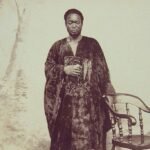
The Benin Kingdom, under Oba Ovonramwen Nogbaisi, maintained strict control over trade, especially in palm oil, ivory, and other valuable goods. British officials and traders wanted greater access to these markets, but the Oba resisted foreign interference and sought to protect the kingdom’s independence.
Relations between Benin and Britain became increasingly tense. British representatives accused Benin of obstructing trade, while the Benin leadership feared that foreign influence would threaten their sovereignty.
The 1897 Incident
In January 1897, Acting British Consul General James Phillips organized a mission to Benin City. Although the Oba reportedly advised that the visit should be postponed because important religious ceremonies were taking place, Phillips and his party continued their journey.
On the way to Benin City, the British delegation and its African escorts were attacked by Benin forces. Several members of the expedition were killed. Britain used this incident as justification for a military response.
Soon afterward, a large British force, known as the Punitive Expedition, was assembled. Led by Admiral Sir Harry Rawson, the expedition included hundreds of soldiers equipped with modern weapons.
The Fall of Benin City
In February 1897, British troops entered Benin territory and advanced toward the capital. Despite resistance from Benin warriors, the kingdom could not match British military technology.
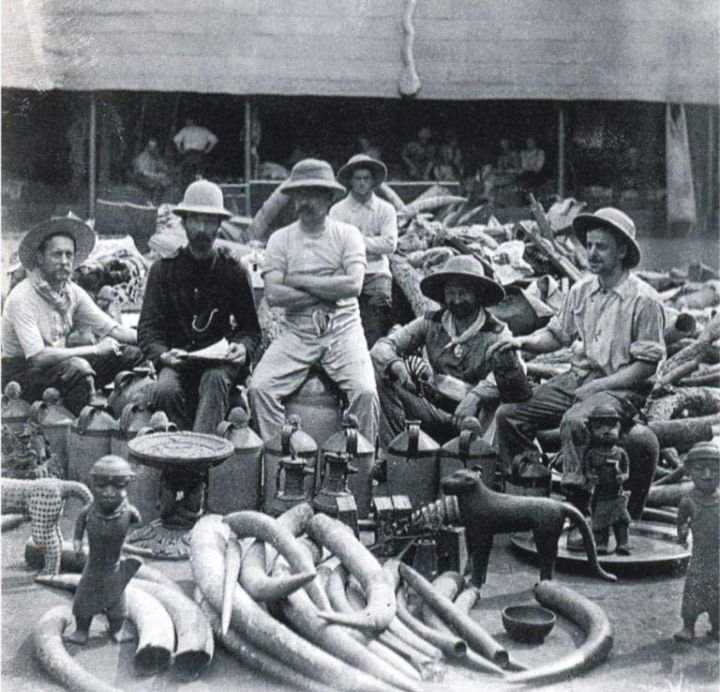
Benin City was captured, and much of the royal palace and surrounding areas were destroyed by fire. Thousands of cultural treasures, including bronze plaques, sculptures, ivory works, and ceremonial objects, were seized by British forces.
These objects were later sold or distributed to museums and private collections across Europe and North America. Today, many of these artifacts remain outside Nigeria, although some institutions have begun returning them.
Oba Ovonramwen fled the city but later surrendered to British authorities. He was exiled, marking the end of Benin’s political independence.
Consequences of the Invasion
The British invasion had lasting effects on the Benin Kingdom and the wider region. The kingdom was incorporated into the British colonial system, which later became part of modern Nigeria.
The destruction of Benin City represented not only a political defeat but also a major cultural loss. Many historical records and sacred objects were taken away, separating generations of Edo people from important parts of their heritage.
However, Benin culture survived. Traditional institutions, customs, and artistic practices continued, and the title of Oba remains respected today. The royal family and the people of Benin have continued to preserve their history and identity.
The Debate Over the Benin Bronzes
In recent years, international attention has focused on the return of the Benin Bronzes. Nigeria, cultural organizations, and descendants of the Benin Kingdom have called for the repatriation of artworks taken during the 1897 invasion.
Several museums in Europe and North America have returned or pledged to return some pieces, while discussions continue over others. The debate has become an important symbol of wider conversations about colonial history, ownership, and cultural justice.
Conclusion
The British invasion of Benin in 1897 was a turning point in Nigerian history. It brought an end to the independence of one of Africa’s most remarkable kingdoms and resulted in the loss of invaluable cultural treasures.
Yet the story of Benin is also one of resilience. Despite conquest and colonial rule, the traditions, identity, and history of the Benin people have endured. Understanding the events of 1897 helps us appreciate both the achievements of the Benin Kingdom and the lasting impact of colonialism on Africa.
The Historabase Editorial Team is dedicated to exploring and sharing the stories that have shaped Africa and the wider world. Our work covers African history, ancient civilizations, empires, historical figures, wars, cultures, political movements, and important events from the past.
We aim to present history in a clear, engaging, and accessible way, combining historical records with careful research to help readers better understand the people, events, and civilizations that shaped our world.