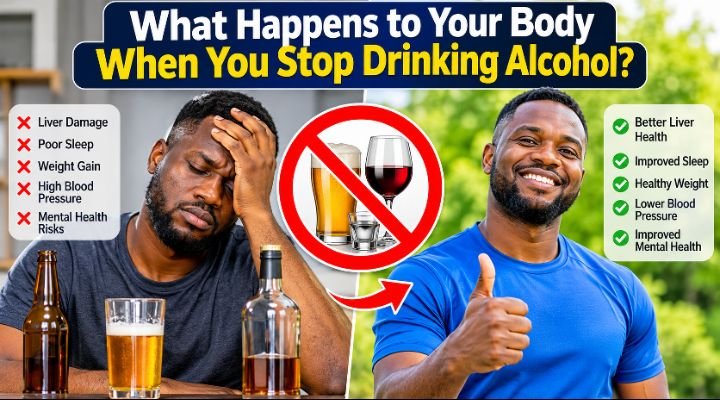
Stopping alcohol consumption can bring several positive changes to the body, including improvements in liver health, sleep, blood pressure, digestion and mental well-being. The changes may begin within days, although the recovery process varies depending on how much and how often a person drinks.
Alcohol affects several organs, and long-term excessive consumption increases the risk of liver disease, heart problems, certain cancers and other health conditions. Reducing or stopping alcohol can help lower some of these risks over time.
1. Your Liver May Begin to Recover
The liver is responsible for breaking down alcohol. Regular heavy drinking can cause fat to accumulate in the liver, leading to alcohol-related fatty liver disease.
When a person stops drinking, liver fat can decrease, and the organ may begin to recover. However, advanced liver damage, such as cirrhosis, may be permanent.
Alcohol can make people feel sleepy, but it interferes with normal sleep patterns and can reduce sleep quality.
After stopping alcohol, sleep may become more regular and restorative. Some people initially experience difficulty sleeping, particularly during withdrawal, but this may improve as the body adjusts.
3. Blood Pressure May Decrease
Heavy alcohol consumption is associated with high blood pressure. Reducing or stopping alcohol can help lower blood pressure, particularly in people who regularly consume large amounts.
Maintaining healthy blood pressure can reduce the risk of heart disease and stroke.
4. You May Lose Weight
Alcohol contains calories, and alcoholic drinks can contribute to weight gain. Drinking may also increase appetite and encourage unhealthy food choices.
When alcohol is removed from the diet, total calorie intake may decrease, potentially supporting weight management. The amount of weight lost depends on diet, physical activity and other lifestyle factors.
5. Brain Function May Improve
Alcohol affects the brain, including areas responsible for memory, concentration, coordination and decision-making.
After stopping alcohol, some people experience improvements in concentration, memory and mental clarity. Recovery depends on the extent of previous alcohol-related damage and other health factors.
6. Your Digestive System May Improve
Alcohol can irritate the stomach lining and affect the digestive system. Heavy drinking may contribute to acid reflux, stomach inflammation and other digestive problems.
Stopping alcohol may reduce irritation and improve some digestive symptoms over time.
7. Your Risk of Certain Cancers May Decrease
Alcohol consumption is linked to several types of cancer, including cancers of the mouth, throat, oesophagus, liver, breast and colorectum.
Stopping alcohol can reduce future alcohol exposure and may lower cancer risk over time. However, the reduction in risk is not immediate, and previous exposure may continue to influence a person’s overall risk.
8. Your Immune System May Improve
Excessive alcohol consumption can weaken the immune system and make it harder for the body to fight infections.
Stopping heavy alcohol use may help the immune system recover and improve the body’s ability to respond to infections.
9. Your Mental Health May Change
Alcohol can affect mood and may worsen anxiety, depression and emotional instability, particularly with heavy or frequent consumption.
Some people experience improved mood and emotional well-being after stopping alcohol. However, anxiety, irritability and other symptoms may temporarily increase during withdrawal.
10. Your Long-Term Health May Improve
Long-term heavy alcohol consumption is associated with several serious health conditions, including liver disease, heart problems, stroke and certain cancers.
Stopping alcohol can reduce continued exposure to these risks and support better long-term health. The benefits depend on a person’s previous drinking habits, existing health conditions and lifestyle.
What Happens After You Stop Drinking Alcohol?
The body’s response varies from person to person, but some changes may follow this general pattern:
First 24 hours
The body begins clearing alcohol. Withdrawal symptoms may start in people who are physically dependent.
First few days
Sleep disturbances, anxiety and other withdrawal symptoms may occur.
First week
Some people begin experiencing improvements in hydration, digestion and sleep, although recovery varies.
First few weeks
Sleep, blood pressure and liver-related markers may improve in some people.
Several months
Longer-term improvements in general health may become more noticeable.
These are general possibilities, not guaranteed milestones. People with alcohol dependence may experience serious withdrawal symptoms.
Important Warning About Alcohol Withdrawal
People who drink heavily or regularly may develop physical dependence on alcohol. Suddenly stopping can cause dangerous withdrawal symptoms, including seizures, hallucinations and delirium tremens.
Severe alcohol withdrawal can be life-threatening. Anyone who may be physically dependent on alcohol should seek medical advice before stopping. Emergency medical attention is necessary if severe withdrawal symptoms occur.
Conclusion
Stopping alcohol can support better health by improving liver function, sleep, blood pressure, digestion and mental well-being. It can also reduce continued exposure to alcohol-related health risks.
The benefits vary depending on a person’s drinking history and overall health. For people who drink heavily or may be dependent on alcohol, medical support is important to ensure that stopping is safe.
The Historabase Editorial Team is dedicated to exploring and sharing the stories that have shaped Africa and the wider world. Our work covers African history, ancient civilizations, empires, historical figures, wars, cultures, political movements, and important events from the past.
We aim to present history in a clear, engaging, and accessible way, combining historical records with careful research to help readers better understand the people, events, and civilizations that shaped our world.












2 Comments