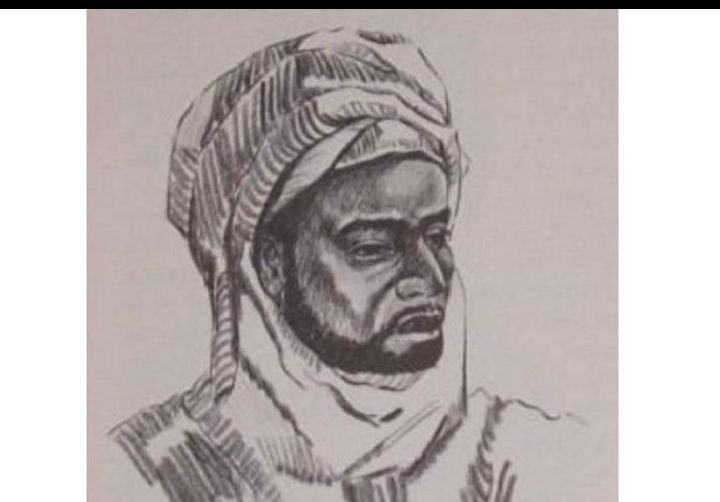
Mansa Musa, the 14th-century ruler of the Mali Empire, is widely regarded as one of the wealthiest people in history. His enormous wealth came from Mali’s control of some of West Africa’s richest gold-producing regions, as well as its position along major trans-Saharan trade routes.
But Mansa Musa’s story is about much more than wealth. His famous pilgrimage to Mecca introduced the Mali Empire to a wider world, while his investments in education, architecture and Islamic scholarship helped turn cities such as Timbuktu into important centres of learning.
Who Was Mansa Musa?
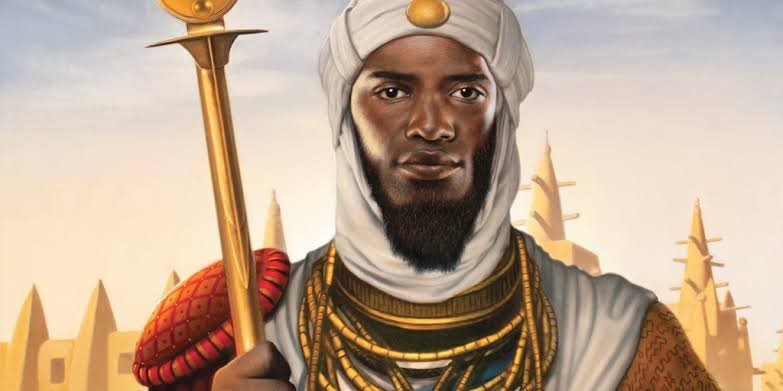
Mansa Musa was the ninth ruler of the Mali Empire and reigned during the early 14th century, most commonly dated to around 1312 to 1337.
The title “Mansa” was used by rulers of the Mali Empire and is often translated as “king” or “emperor.”
When Musa came to power, Mali was already an important West African state. Under his leadership, however, the empire became even more powerful and internationally famous.
Mali controlled large areas of what are today Mali, Senegal, Mauritania, Gambia, Guinea and parts of neighbouring countries.
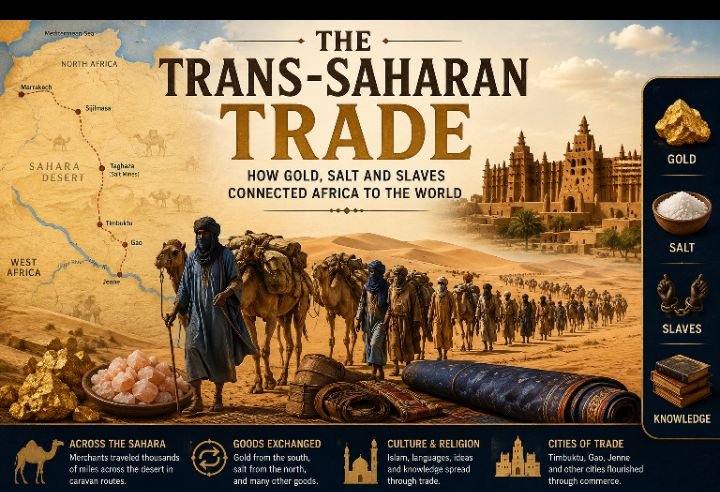
Its power was closely connected to trade. Gold from West Africa moved north across the Sahara, while salt and other valuable goods travelled south.
How Did Mansa Musa Become So Wealthy?
Mansa Musa’s wealth was largely based on Mali’s control of gold-producing areas.
West Africa was one of the world’s major sources of gold during the medieval period. The Mali Empire controlled important territories involved in the production and trade of the precious metal.
Gold was extremely valuable in the medieval world. It was used to produce coins, jewellery and luxury objects and played an important role in international trade.
Mali also benefited from its control of important trade routes across the Sahara.
Merchants travelled between West Africa and North Africa, carrying goods such as gold, salt, ivory and other commodities.
By controlling territory along these routes, the Mali Empire was able to collect taxes and customs duties from traders.
This combination of natural resources, agriculture, taxation and long-distance commerce helped make Mansa Musa extraordinarily wealthy.
The Famous Pilgrimage to Mecca
Mansa Musa became famous outside West Africa because of his pilgrimage, or Hajj, to Mecca.
As a Muslim ruler, Musa decided to undertake the journey around 1324.
He travelled with a huge caravan that reportedly included thousands of people and a large quantity of gold.
Medieval writers described the procession as extraordinarily impressive, with servants, soldiers, officials and merchants accompanying the ruler.
The journey took Mansa Musa across the Sahara and through Egypt before he continued toward the Arabian Peninsula.
It was during this journey that stories about his enormous wealth spread across the wider Islamic world.
Mansa Musa in Cairo
One of the most famous parts of Mansa Musa’s pilgrimage occurred in Cairo, Egypt.
According to accounts from medieval historians, Musa distributed large amounts of gold during his stay.
His spending was reportedly so substantial that it contributed to a decline in the value of gold in Cairo and other parts of the region for years afterward.
While some details in medieval accounts may have been exaggerated, historians generally agree that Mansa Musa’s arrival in Egypt attracted considerable attention.
His pilgrimage helped introduce the Mali Empire to scholars, merchants and political leaders far beyond West Africa.
The Journey Changed Mali’s Reputation
Before Mansa Musa’s pilgrimage, the Mali Empire was known within parts of Africa and the Islamic trading world.
After his journey, knowledge of Mali spread much further.
Mansa Musa’s reputation eventually appeared on maps produced in Europe and the Mediterranean world.
One of the most famous examples is the Catalan Atlas, produced in the 14th century. It depicts a West African ruler holding a large golden object and is widely associated with Mansa Musa.
The image helped establish the idea of Mali as a land of enormous wealth.
Mansa Musa and Timbuktu
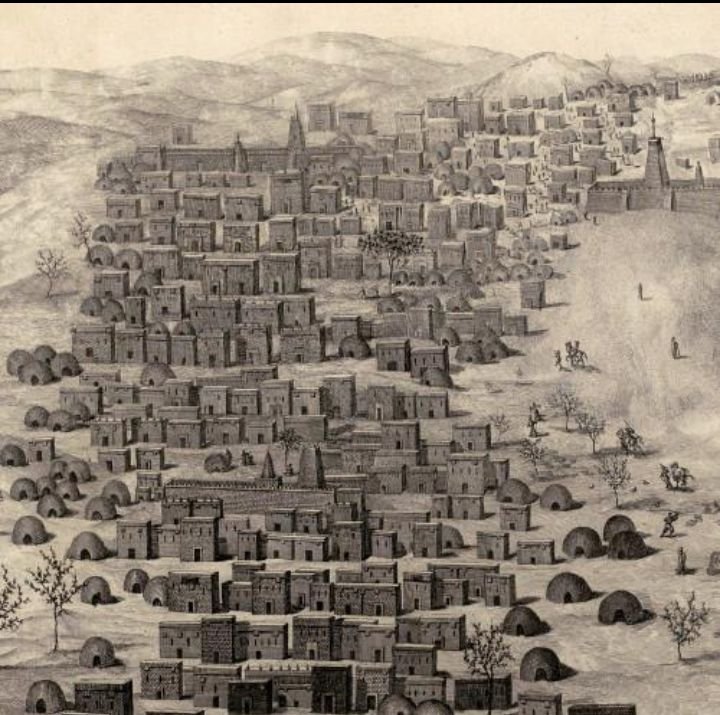
Mansa Musa is also closely associated with the development of Timbuktu, one of the most famous historic cities in West Africa.
Timbuktu had already existed before Musa’s reign, but it grew in importance as a commercial and intellectual centre during the Mali Empire.
Musa supported the construction and development of important Islamic institutions.
Among the buildings associated with his reign was the Djinguereber Mosque, traditionally linked to the architect Abu Ishaq al-Sahili.
The mosque became an important part of Timbuktu’s architectural and religious heritage.
He supported Islamic scholars and helped strengthen Timbuktu’s reputation as a centre of learning.
Students and scholars travelled to the city to study subjects including Islamic law, theology, literature, mathematics and astronomy.
Over time, Timbuktu became famous for its libraries and collections of manuscripts.
Thousands of historic manuscripts from the region have survived, providing evidence of the intellectual life that existed in medieval West Africa.
This is one of the most important parts of Mansa Musa’s legacy: his wealth was not simply accumulated; it was also used to strengthen institutions, religion, education and culture.
The Mali Empire Under Mansa Musa
During Musa’s reign, Mali was one of the most powerful states in West Africa.
The empire benefited from fertile agricultural lands, valuable natural resources and major trade routes.
Its political influence stretched across a large portion of West Africa.
Mali’s cities became important centres of commerce, while merchants connected the empire to North Africa and the wider Islamic world.
The empire’s wealth allowed its rulers to maintain political authority and support major construction and cultural projects.
Was Mansa Musa Really the Richest Person in History?
Mansa Musa is frequently described as the richest person who ever lived.
However, calculating the exact modern value of his wealth is extremely difficult.
There are no reliable records that allow historians to convert his medieval wealth into a precise modern dollar figure.
The popular claims that Mansa Musa was worth hundreds of billions of dollars should therefore be treated cautiously.
What historians can say with much greater confidence is that he controlled enormous resources and ruled one of the wealthiest empires in medieval Africa.
His gold wealth was so famous that it became part of historical accounts across Africa, the Middle East and Europe.
The Death of Mansa Musa
Mansa Musa died sometime in the 1330s, although the exact year remains uncertain.
He was succeeded by other members of the Keita dynasty, the ruling family of the Mali Empire.
Although Musa’s death did not immediately end Mali’s power, the empire eventually faced internal challenges and competition from neighbouring states.
Over the following centuries, Mali’s influence declined as other West African powers rose.
The Legacy of Mansa Musa
Mansa Musa remains one of the most famous African rulers in world history.
His legacy can be seen in several areas:
– Economic power: He demonstrated the enormous wealth generated by West African gold and trans-Saharan trade.
– Architecture: His reign contributed to the development of important Islamic buildings in Mali.
– Education: His support helped strengthen centres of Islamic scholarship, particularly in Timbuktu.
– International recognition: His pilgrimage brought Mali to the attention of the wider Islamic world and eventually European mapmakers.
– African history: His story challenges the outdated idea that medieval Africa lacked powerful states, wealthy rulers and sophisticated intellectual traditions.
Conclusion
Mansa Musa was far more than a wealthy king.
He ruled a powerful West African empire at a time when Mali stood at the centre of major international trade networks. His famous pilgrimage to Mecca transformed his personal reputation and helped make the Mali Empire known far beyond West Africa.
His investment in architecture, education and scholarship also contributed to the cultural development of cities such as Timbuktu.
The Historabase Editorial Team is dedicated to exploring and sharing the stories that have shaped Africa and the wider world. Our work covers African history, ancient civilizations, empires, historical figures, wars, cultures, political movements, and important events from the past.
We aim to present history in a clear, engaging, and accessible way, combining historical records with careful research to help readers better understand the people, events, and civilizations that shaped our world.