On August 5, 2010, 33 miners became trapped underground after a collapse at the San José copper and gold mine near Copiapó, Chile.
The miners were working more than 600 metres below the surface when the accident blocked their route out of the mine. For 17 days, rescuers were unable to establish whether the workers had survived.
The incident became one of the most closely followed mining rescues in history.
The Collapse
The San José mine was located near the northern Chilean city of Copiapó.
On August 5, 2010, a major rockfall occurred inside the mine. The collapse trapped 33 workers underground.
The miners were located in an area known as a refuge, where they remained together after the collapse.
Above ground, rescue teams began efforts to locate them.
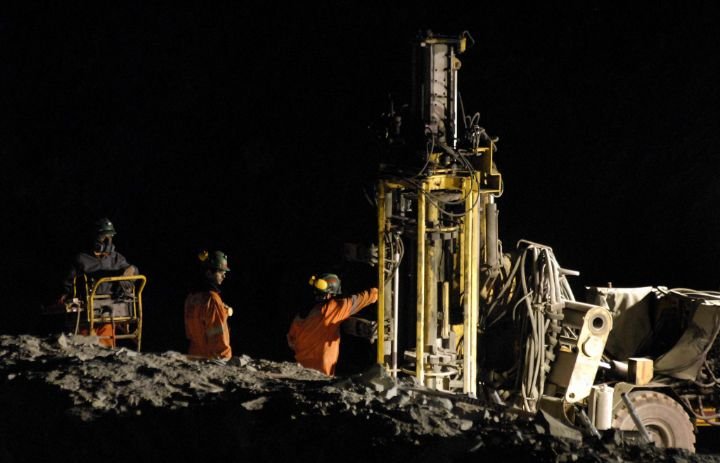
The difficulty was that rescuers did not know exactly where the miners were. Drilling operations were started at different locations in an attempt to reach the underground workings.
The 17 Days Underground
For the first several days, there was no direct communication between the trapped miners and the surface.
The 33 men had limited supplies available to them. They rationed food while waiting for rescuers to reach their location.
The miners eventually organised themselves inside the underground refuge.
Luis Urzúa, the group’s shift supervisor, became their leader during the ordeal.
As the days passed, rescue teams continued drilling through the rock.
Several attempts failed to locate the miners.
The families of the workers gathered outside the mine, waiting for information about their relatives.
The Discovery on August 22
Seventeen days after the collapse, on August 22, rescuers finally reached the miners.
A drilling probe broke through into the area where the workers were located.
When the drill was brought back to the surface, rescuers discovered a message attached to it.
It had been written by Luis Urzúa.
The message stated:
“Estamos bien en el refugio, los 33.”
The words meant that the 33 miners were well and were together in the refuge.
The discovery confirmed what rescuers and relatives had desperately hoped for: all 33 workers had survived the initial collapse.
The news immediately spread throughout Chile and around the world.
However, finding the miners alive did not mean that they could immediately be brought to the surface.
They were still trapped hundreds of metres underground.
The Rescue Operation
After contact had been established, rescuers began supplying the miners through narrow boreholes.
Food, water, medicine and other supplies were sent underground.
Communication systems were also established between the miners and the surface.
Engineers then worked on a plan to create a larger passage through which the men could eventually escape.
Three drilling operations, known as Plans A, B and C, were developed during the rescue effort.
The drilling had to continue through hundreds of metres of rock to reach the underground refuge.
The miners remained underground while the rescue teams worked.
69 Days Underground
The 33 workers did not spend 17 days underground.
They spent a total of 69 days beneath the surface.
The first 17 days were the period during which rescuers had not yet established that the miners were alive.
After the discovery on August 22, preparations for the final rescue continued for several more weeks.
The miners received regular supplies through the boreholes while drilling operations progressed.
Their condition was monitored by medical teams on the surface.
The Rescue of the 33 Miners
On October 13, 2010, the rescue operation reached its final stage.
A specially designed rescue capsule, named Fénix, was lowered through the newly drilled shaft.
One miner at a time entered the capsule and was brought from the underground refuge to the surface.
The first miner rescued was Florencio Ávalos.
He emerged from underground shortly after midnight on October 13.
The rescue continued throughout the day.
One after another, the miners were brought to the surface.
The final miner to leave the mine was Luis Urzúa, the shift supervisor who had helped organise the group underground.
After Urzúa reached the surface, all 33 miners had been rescued.
The operation had lasted approximately 22 hours from the rescue of the first miner to the last.
The End of the 69-Day Ordeal
The rescue of the 33 miners brought an end to one of the longest periods of underground survival in mining history.
The men had entered the San José mine on August 5 and remained trapped until October 13, 2010.
Their discovery on the 17th day had confirmed that all 33 were alive.
Their rescue came 52 days later.
In total, the miners spent 69 days underground before all of them returned to the surface.
The San José mine rescue became an internationally recognised event and was followed by millions of people around the world.
The handwritten message found on August 22, 2010, became one of the defining images of the disaster: after 17 days beneath the earth, it was the first confirmation that the 33 missing miners were alive.
The Historabase Editorial Team is dedicated to exploring and sharing the stories that have shaped Africa and the wider world. Our work covers African history, ancient civilizations, empires, historical figures, wars, cultures, political movements, and important events from the past.
We aim to present history in a clear, engaging, and accessible way, combining historical records with careful research to help readers better understand the people, events, and civilizations that shaped our world.