For decades, South Africa was divided by one of the most oppressive systems of racial discrimination in modern history. Known as apartheid, the system denied the Black majority basic political, social and economic rights while giving power to the white minority.
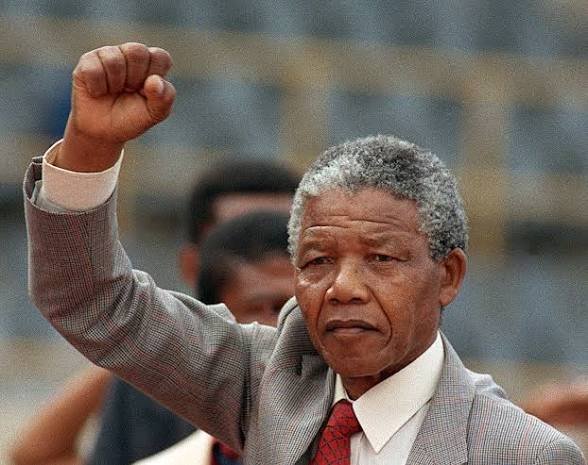
At the centre of the long struggle against apartheid was Nelson Rolihlahla Mandela, a lawyer, political activist and leader of the African National Congress (ANC). His journey from a young activist to a political prisoner and eventually South Africa’s first democratically elected president became one of the defining stories of the 20th century.
The Beginning of the Struggle
Mandela was born on 18 July 1918 in Mvezo, in South Africa. He studied law and became increasingly involved in the fight against racial discrimination.
In 1944, he joined the African National Congress, an organisation that campaigned for the political rights of South Africa’s Black population. When the National Party came to power in 1948, it formally introduced apartheid, creating laws that separated people according to race and severely restricted the rights and movement of Black South Africans.
Mandela became one of the leading figures in opposition to the system.
In 1952, he helped lead the Defiance Campaign, a mass campaign of nonviolent resistance against discriminatory laws. Later that year, Mandela and Oliver Tambo established Mandela & Tambo, one of the country’s first Black-owned law firms, providing legal assistance to Black South Africans
From Peaceful Protest to Armed Resistance
For years, Mandela and other activists supported peaceful protest, strikes, boycotts and civil disobedience
But the government’s violent response gradually changed the nature of the struggle.
On 21 March 1960, police opened fire on protesters in Sharpeville, killing 69 people. The massacre was followed by a state of emergency, and the government banned the ANC and other opposition organisations.
Mandela concluded that peaceful resistance alone was no longer enough. He became involved in establishing Umkhonto weSizwe (MK), the armed wing of the ANC, which carried out acts of sabotage against government targets.
In 1962, Mandela secretly left South Africa to seek support and military training. He returned later that year but was arrested on 5 August 1962. He was convicted of leaving the country illegally and encouraging workers to strike and received a five-year sentence.
The Rivonia Trial
While Mandela was already in prison, police raided a secret ANC hideout at Liliesleaf Farm in Rivonia in 1963. Mandela and other senior activists were subsequently tried for sabotage.
The Rivonia Trial became one of the most important political trials in South African history.
On 20 April 1964, Mandela delivered a powerful statement from the dock, explaining his opposition to racial domination and his vision of a democratic society.
On 12 June 1964, Mandela and seven other defendants were sentenced to life imprisonment. Instead of facing the death penalty, they were sent to prison, with Mandela spending the majority of his incarceration on Robben Island.
27 Years Behind Bars
Mandela spent more than 27 years in prison.
Life on Robben Island was harsh. Prisoners performed difficult labour and faced racial discrimination even within the prison system. Yet Mandela continued to study, organise and communicate with fellow political prisoners.
He eventually became a powerful symbol of resistance to apartheid.
The longer Mandela remained imprisoned, the more his name became known internationally. Campaigners around the world demanded his release, while pressure against the apartheid government continued to grow.
In 1985, the government offered Mandela conditional freedom, but he rejected the offer because it required him to abandon the struggle.
Freedom at Last
By the late 1980s, apartheid faced increasing domestic and international pressure.
On 2 February 1990, President F. W. de Klerk announced the legalisation of the ANC and other previously banned organisations.
Nine days later, on 11 February 1990, Mandela walked out of Victor Verster Prison as a free man after 27 years behind bars. His release became a defining moment in South Africa’s history and marked the beginning of the final transition away from apartheid.
Mandela did not seek revenge against those who had imprisoned him. Instead, he entered negotiations with the government to create a democratic South Africa.
The End of Apartheid
Mandela became president of the ANC in 1991 and worked with de Klerk and other political leaders to negotiate a new political system.
The negotiations were difficult. South Africa continued to experience political violence and deep racial divisions, but the process eventually produced democratic elections.
In April 1994, South Africans of all races participated in the country’s first democratic national elections. Mandela and the ANC won, and on 10 May 1994, he was inaugurated as South Africa’s first Black president.
As president, Mandela promoted national reconciliation rather than revenge. His government established the Truth and Reconciliation Commission, which investigated serious human rights abuses committed during the apartheid era.
Mandela’s Legacy
Mandela served only one presidential term and stepped down in 1999.
His greatest legacy, however, was not simply becoming president. It was his role in helping South Africa move from institutionalised racial segregation toward democracy.
Mandela’s life demonstrated the enormous personal cost of opposing injustice. He spent 27 years behind bars, yet emerged from prison prepared to negotiate with his former enemies and help build a country based on equal citizenship.
He died on 5 December 2013, aged 95.
Today, Nelson Mandela remains one of the most recognised figures in African history. His struggle against apartheid continues to represent the long fight for equality, freedom and human dignity.
The Historabase Editorial Team is dedicated to exploring and sharing the stories that have shaped Africa and the wider world. Our work covers African history, ancient civilizations, empires, historical figures, wars, cultures, political movements, and important events from the past.
We aim to present history in a clear, engaging, and accessible way, combining historical records with careful research to help readers better understand the people, events, and civilizations that shaped our world.