Long before the rise of many of Africa’s modern nations, a powerful civilization flourished along the Nile River in northeastern Africa. Known as the Kingdom of Kush, it became one of the most influential kingdoms of the ancient Nile Valley.
Kush developed a powerful economy, controlled important trade routes, built impressive cities and monuments, and at one point even ruled Egypt.
Although Kush is sometimes overshadowed by ancient Egypt, its history reveals the strength and sophistication of one of Africa’s great civilizations.
Where Was the Kingdom of Kush?
The Kingdom of Kush was located south of ancient Egypt, mainly in the region that is now northern Sudan and parts of southern Egypt.
The Nile River was central to Kushite civilization. It provided water for agriculture, supported settlements and served as an important transportation and trade route.
Kush’s location also placed it between different regions of Africa and the Mediterranean world.
This allowed the kingdom to participate in long-distance trade involving goods such as gold, ivory, ebony, animal skins and other valuable commodities.
The Origins of Kush
Kush emerged as a significant political power in the Nile Valley after the decline of the Egyptian Middle Kingdom.
One of its earliest major centres was Kerma, located in present-day Sudan.
Kerma became the capital of a powerful Nubian state between roughly 2500 and 1500 BCE.
The people of Kerma developed a sophisticated society with impressive buildings, skilled craftsmen and extensive trading networks.
The city was particularly famous for large mud-brick structures known as deffufas, which demonstrate the architectural abilities of the civilization.
Kush and Ancient Egypt
The relationship between Kush and Egypt was complicated.
At different times, the two civilizations traded with each other, fought wars and influenced one another culturally.
Egypt was particularly interested in Nubia because the region contained valuable natural resources, especially gold.
Egyptian rulers launched military campaigns southward and eventually conquered parts of Nubia.
For a period, Egyptian authority extended deep into Kushite territory.
However, Nubian kingdoms eventually regained their independence.
As Egyptian influence weakened, Kush once again emerged as an independent and powerful state.
The Rise of Napata
After the decline of Kerma and later Egyptian control, Napata became an important centre of Kushite power.
Napata was located near the Fourth Cataract of the Nile.
The city developed into a political and religious centre, particularly because of its connection to the worship of the Egyptian god Amun.
Kushite rulers adopted aspects of Egyptian religion, royal traditions and writing while maintaining their own distinctive cultural identity.
This combination of Egyptian and Nubian traditions became an important feature of Kushite civilization.
Kush Conquers Egypt
One of the most remarkable moments in Kushite history occurred during the 8th century BCE.
Kushite ruler Piye, also known as Piankhi, expanded his power northward into Egypt.
By the end of the campaign, Piye had established Kushite control over much of Egypt.
The Kushite rulers became the 25th Dynasty of Egypt.
This meant that a kingdom based in Nubia had conquered and ruled one of the ancient world’s most famous civilizations.
The 25th Dynasty
The Kushite pharaohs ruled Egypt for several decades.
They presented themselves as legitimate Egyptian rulers and worked to restore traditional religious practices and monuments.
Piye was followed by rulers including Shabaka, Shebitku and Taharqa.
Among them, Taharqa became particularly famous.
He commissioned major construction projects and monuments in both Egypt and Nubia.
His reign demonstrates how closely connected the political and cultural worlds of Egypt and Kush had become.
Taharqa: One of Kush’s Greatest Kings
Taharqa was one of the most powerful rulers of the Kushite dynasty.
He ruled during a period of conflict with the powerful Assyrian Empire.
The Assyrians were expanding into the Near East and eventually came into conflict with Egypt and its Kushite rulers.
Taharqa supported resistance against Assyrian expansion.
Although Kushite and Egyptian forces suffered defeats, Taharqa’s reign remains an important part of the history of the Kushite dynasty.
The Kushites Leave Egypt
Kushite control of Egypt eventually came to an end after military conflicts with the Assyrians.
The Assyrians pushed the Kushites southward, and the Kushite rulers eventually withdrew from Egypt.
However, the Kingdom of Kush itself survived.
The political centre gradually shifted further south, eventually leading to the rise of Meroë as a major Kushite capital.
The Rise of Meroë
Meroë became one of the most important cities in Kush.
Located farther south along the Nile, Meroë developed into a major political, economic and cultural centre.
The city became particularly famous for its ironworking, agriculture and trade.
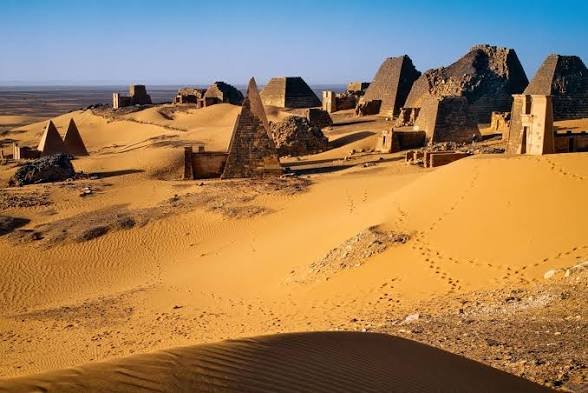
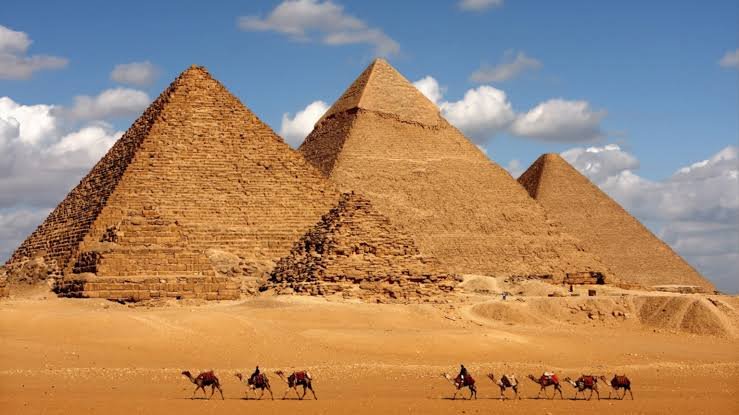
Meroë was also known for its distinctive pyramids.
Unlike the much larger pyramids of ancient Egypt, the pyramids of Meroë were generally smaller and steeper, reflecting a unique Kushite architectural tradition.
Hundreds of pyramid structures have been identified in the wider region.
Kushite Women and the Kandakes
One of the most fascinating aspects of Kushite history was the political power held by royal women.
Kushite queens were sometimes referred to as Kandakes, a title often translated as “queen” or “queen mother.”
These women could exercise considerable political and military influence.
Some even ruled the kingdom directly.
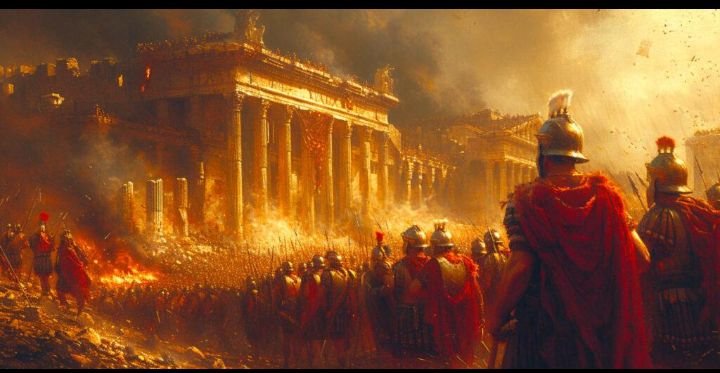
One famous example is Amanirenas, a Kushite queen who led resistance against the Roman Empire in the first century BCE.
Her forces attacked Roman-controlled territory in Egypt and fought against the Roman army.
Eventually, Rome and Kush reached an agreement, allowing Kush to maintain its independence.
The Economy of Kush
Kush’s economy was supported by agriculture, mining and international trade.
Gold was particularly important.
The region around Nubia was rich in gold deposits, making the area highly valuable to ancient rulers.
Kush also traded goods such as:
– Gold
– Ivory
– Ebony
– Animal skins
– Precious stones
– Iron products
– Agricultural goods
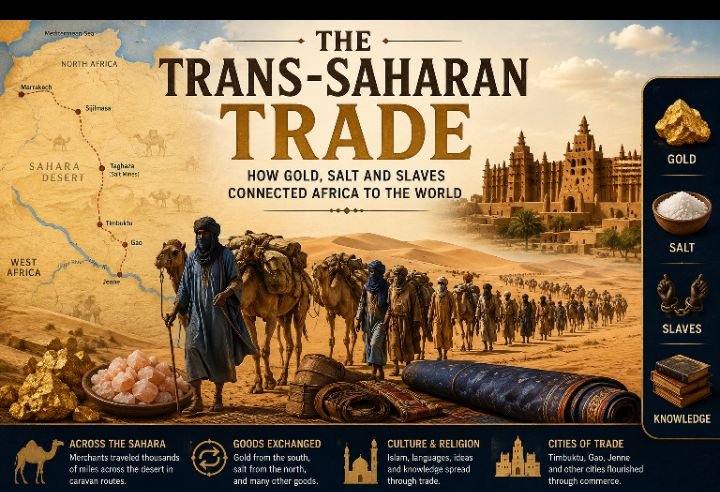
Trade routes connected Kush with Egypt, the Red Sea region, central Africa and other parts of the ancient world.
Its geographical position allowed Kush to serve as a bridge between different trading regions.
Kushite Writing
The Kushites developed their own writing system known as Meroitic.
Meroitic writing appeared in two forms: hieroglyphic and cursive.
Although scholars can read the signs themselves, the Meroitic language remains only partly understood.
This is one reason why many aspects of Kushite history remain mysterious.
Thousands of inscriptions have survived, but the inability to fully understand the language means that historians still have many unanswered questions about the civilization.
Religion and Culture
Religion played a central role in Kushite society.
The Kushites worshipped many gods, including deities associated with ancient Egyptian religion.
However, Kushite religion also developed its own traditions.
One of the most important Kushite deities was Apedemak, a lion-headed god associated with war and royal power.
Temples dedicated to Apedemak and other deities were built throughout the kingdom.
Kushite art also developed distinctive styles, combining African traditions with influences from Egypt and the wider ancient world.
The Decline of Kush
The exact reasons for the decline of Kush are still debated by historians.
By the early centuries CE, Meroë began to lose some of its economic and political importance.
Possible factors include changes in trade routes, environmental pressures, political instability and competition from neighbouring powers.
The rise of the Kingdom of Aksum in the region also created a powerful rival.
Around the 4th century CE, the Kushite state appears to have suffered a major defeat, and Meroë eventually declined.
The political kingdom disappeared, but the people and cultural traditions of the region did not simply vanish.
Why Was Kush Important?
The Kingdom of Kush was one of the most important civilizations of ancient Africa.
Its significance can be seen in several areas.
1. It Ruled Egypt
Kushite rulers became pharaohs of Egypt during the 25th Dynasty.
This is one of the clearest examples of a powerful African kingdom extending its political influence northward into Egypt.
2. It Developed Major Cities
Cities such as Kerma, Napata and Meroë became centres of government, trade, religion and culture.
3. It Developed Its Own Writing System
The Meroitic script demonstrates that Kush developed its own sophisticated written tradition.
4. It Built Pyramids and Temples
The pyramids and temples of Kush remain some of the most important archaeological monuments in Sudan.
5. It Maintained Independence Against Major Powers
Kush interacted with and sometimes fought major powers including Egypt, Assyria and Rome.
Its ability to preserve its independence for centuries demonstrates its political and military strength.
The Legacy of the Kingdom of Kush
The Kingdom of Kush left behind an extraordinary archaeological and cultural legacy.
Its pyramids, temples, inscriptions and ancient cities provide evidence of a sophisticated civilization that flourished in Africa for more than a thousand years.
Yet Kush remains less familiar to many people than ancient Egypt.
Part of the reason is that many Kushite sites have received less attention and preservation than famous Egyptian monuments.
Modern archaeology continues to uncover evidence that is helping historians better understand the kingdom.
Conclusion
The Kingdom of Kush was far more than a neighbour of ancient Egypt.
It was a powerful African civilization with its own political institutions, religious traditions, economic networks, writing system and architectural achievements.
Its rulers conquered Egypt, its merchants participated in long-distance trade, and its cities became important centres of culture and industry.
From Kerma to Napata and finally Meroë, the history of Kush represents one of the greatest chapters in ancient African history.
The Historabase Editorial Team is dedicated to exploring and sharing the stories that have shaped Africa and the wider world. Our work covers African history, ancient civilizations, empires, historical figures, wars, cultures, political movements, and important events from the past.
We aim to present history in a clear, engaging, and accessible way, combining historical records with careful research to help readers better understand the people, events, and civilizations that shaped our world.